The Nehru Trophy Boat Race Kerala is one of the most spectacular cultural events in India, attracting thousands of domestic and international tourists every year. Held in the scenic backwaters of Alappuzha, this iconic race showcases Kerala’s rich traditions, teamwork, and vibrant festival spirit.
WHAT IS THE NEHRU TROPHY BOAT RACE KERALA?
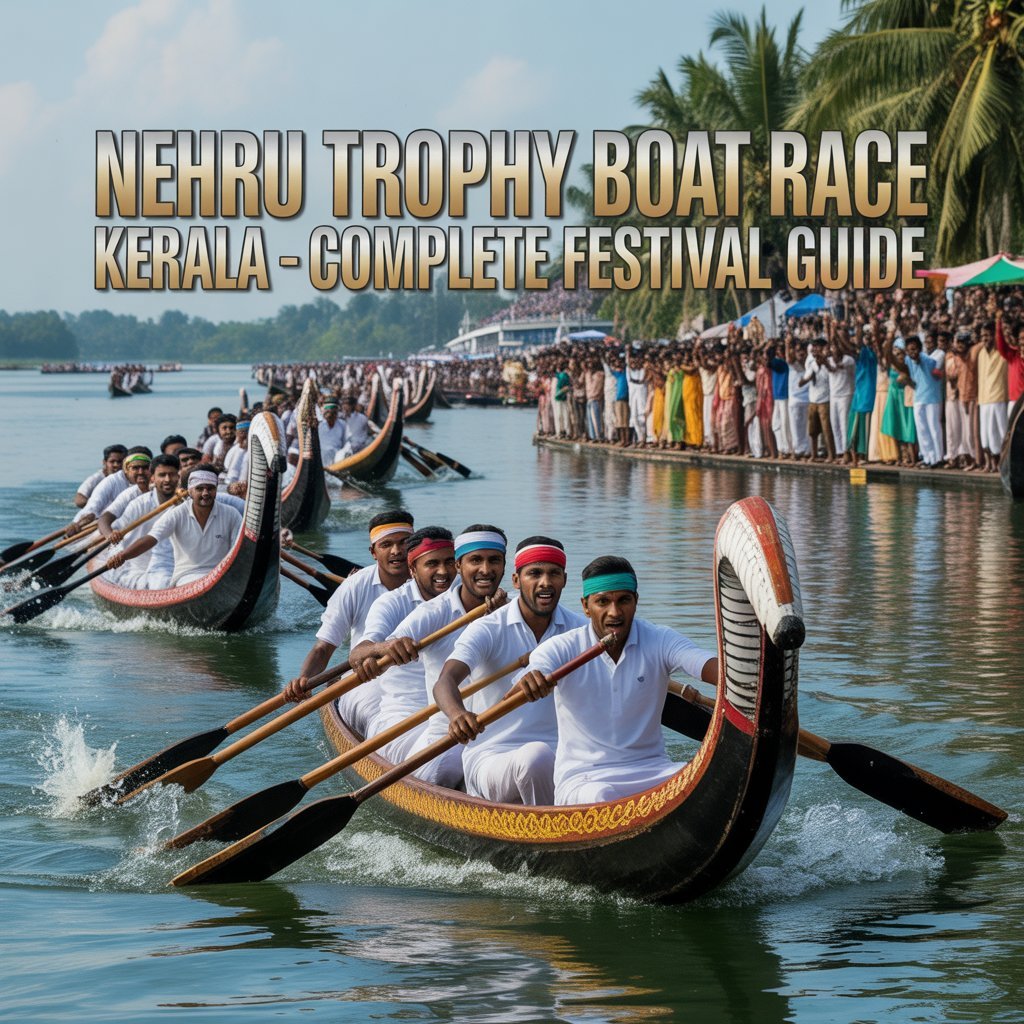
The Nehru Trophy Boat Race Kerala is a prestigious snake boat race held annually on the famous Punnamada Lake. This event is a key highlight of the Alappuzha boat race festival, where long, narrow boats known as chundan vallams compete in a display of speed and coordination.
The race was named after Jawaharlal Nehru, who visited Kerala in 1952 and was impressed by the event, leading to the institution of the trophy in his honor.
WHEN AND WHERE IS IT HELD?
The Nehru Trophy Boat Race Kerala is usually conducted in August, during the monsoon season, which enhances the beauty of Kerala’s backwaters.
- Location: Punnamada Lake, Alappuzha
- Time: Typically the second Saturday of August
- Event Type: Major highlight of the Alappuzha boat race festival
WHY IS IT SO FAMOUS?
The Nehru Trophy Boat Race Kerala stands out because of its:
- Massive snake boats with over 100 rowers
- Rhythmic boat songs (Vanchipattu)
- Scenic backwater setting
- Large gathering of spectators
This Kerala snake boat race guide helps travelers understand why it is considered one of the most exciting traditional events in the region.
HISTORY AND CULTURAL SIGNIFICANCE
The Nehru Trophy Boat Race Kerala is deeply rooted in Kerala’s tradition of Vallam Kali (boat racing). These races were originally conducted as a symbol of village pride and unity.
Today, it has evolved into an internationally recognized event while preserving:
- Local traditions
- Community participation
- Cultural heritage
The Alappuzha boat race festival reflects Kerala’s strong cultural identity.
WHAT TO EXPECT AT THE EVENT
Attending the Nehru Trophy Boat Race Kerala offers a unique experience.
1. The Race Action
Long snake boats move swiftly across the water, powered by synchronized rowing.
2. Cultural Performances
Traditional music and festive celebrations add to the atmosphere.
3. Spectator Experience
Large crowds gather along the banks, creating an energetic environment.
This Kerala snake boat race guide ensures you understand the full experience.
HOW TO EXPERIENCE THE BOAT RACE
To enjoy the Nehru Trophy Boat Race Kerala fully:
- Book tickets in advance through official sources or tour operators
- Choose seating options such as grandstands or houseboat viewing
- Arrive early to secure a good view
The Alappuzha boat race festival provides options suitable for different budgets.
TRAVEL GUIDE FOR TOURISTS
This Kerala snake boat race guide is designed for both domestic and international travelers.
How to Reach Alappuzha
- Nearest Airport: Cochin International Airport
- Railway Station: Alappuzha
- Road connectivity is strong from major cities in Kerala
Where to Stay
- Houseboats for a unique backwater experience
- Resorts and homestays in Alappuzha
Best Time to Visit
Plan your visit around the Nehru Trophy Boat Race Kerala for the best experience.
TRAVEL TIPS
- Wear comfortable clothing suitable for humid weather
- Stay hydrated
- Book accommodations early due to high demand
- Respect local customs and surroundings
This Kerala snake boat race guide helps ensure a smooth journey.
IS IT WORTH VISITING?
The Nehru Trophy Boat Race Kerala is more than just a race. It offers:
- Insight into Kerala’s traditions
- A distinctive backwater experience
- A culturally rich festival atmosphere
The Alappuzha boat race festival is a key highlight for visitors exploring Kerala.
CONCLUSION
The Nehru Trophy Boat Race Kerala represents a unique blend of tradition, community spirit, and cultural celebration. It provides an opportunity for travelers to experience Kerala beyond its landscapes, offering a deeper connection to its heritage. With proper planning and guidance from this Kerala snake boat race guide, visitors can fully enjoy one of the most iconic festivals in India.