FISHING TRADITIONS OF KERALA have long been an integral part of the state’s rich cultural tapestry. For centuries, generations of fishermen have navigated the tranquil waters of Kerala’s backwaters, following time-honored techniques that have been passed down through families. These traditions are not only a way of life but also a vital aspect of Kerala’s tourism appeal, drawing visitors from across the globe who seek authentic cultural experiences.
The Heartbeat of Kerala Backwaters Tourism
The serene canals, lagoons, and rivers of Kerala form a unique ecosystem that supports an abundance of aquatic life. Kerala Backwaters Tourism offers visitors an immersive experience where they can witness local communities at work, gliding through calm waters in traditional wooden boats. Whether it’s the bustling fishing villages of Alleppey or the tranquil landscapes of Kumarakom, tourists get an up-close view of life along these enchanting waterways.
Cruising along the backwaters provides a glimpse into daily life, from setting up nets at dawn to the rhythmic casting and pulling of the nets, all performed with precision and care. It’s a world where time slows down, and visitors can truly connect with Kerala’s authentic culture.
Traditional Fishing Practices in Kerala Villages
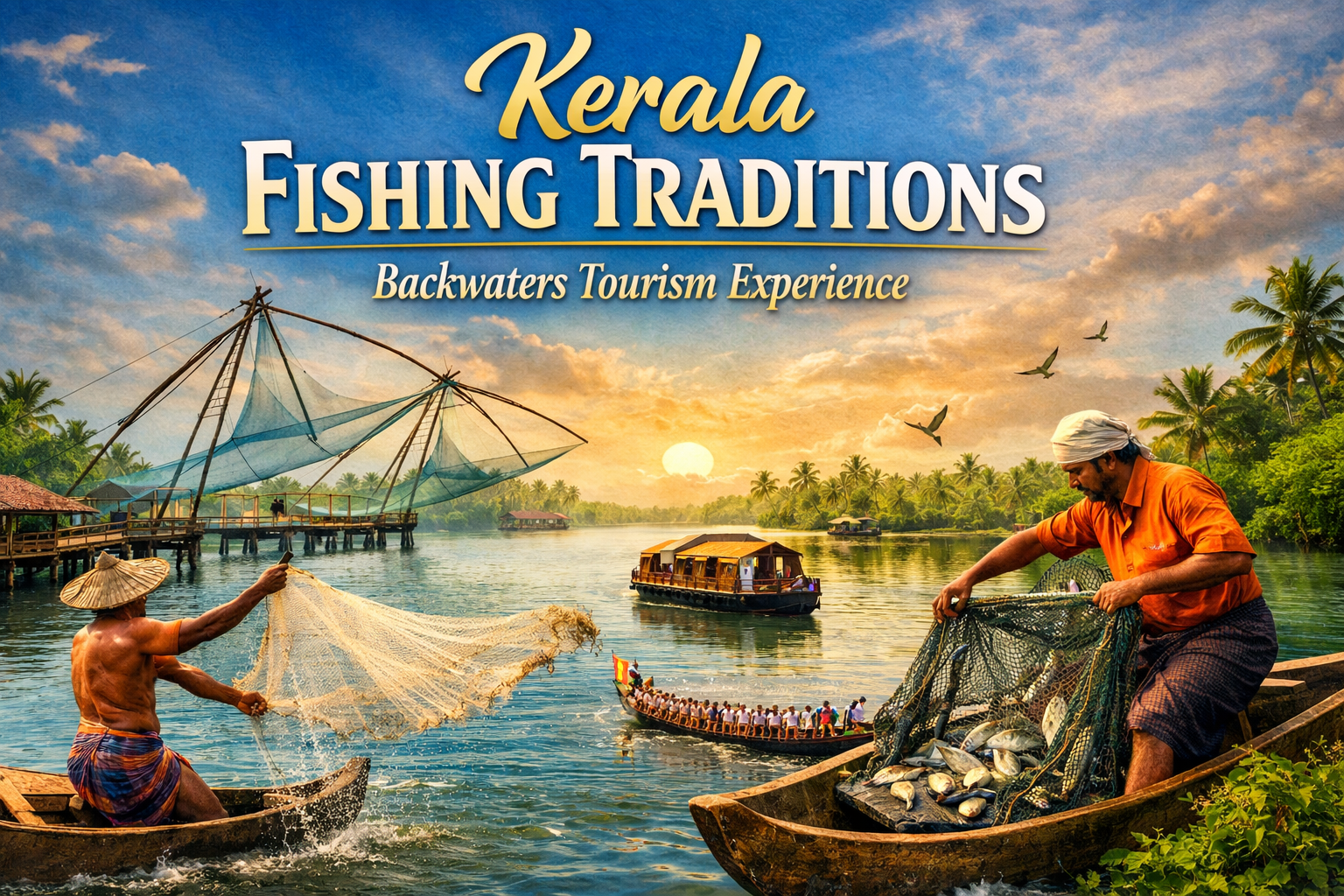
The backbone of Fishing Traditions of kerala lies in the ingenious Traditional Fishing Practices in Kerala. One of the most iconic symbols is the Chinese fishing nets, or Cheena Vala, seen prominently in Fort Kochi. These large, cantilevered nets are operated by teams of fishermen, relying on balance, strength, and experience rather than modern machinery.
Aside from Chinese nets, locals also use vallams (canoes) and small wooden boats equipped with cast nets, hooks, and traps. Fishing is often a communal activity, fostering strong bonds within the village. Seasonal fishing patterns follow natural cycles, ensuring sustainability and a constant supply of fresh fish for local markets. Tourists observing or even participating in these practices can gain a deeper appreciation for the dedication and skill required in this age-old craft.
Festivals and Cultural Experiences Along the Backwaters
Several festivals and cultural events highlight Kerala’s fishing heritage. For instance, the Vallam Kali (boat races) in the backwaters aren’t just thrilling competitions—they also reflect the community’s deep connection with water and aquatic life. These events attract both domestic and international tourists, combining excitement with cultural learning.
Local markets along the backwaters offer a sensory experience, showcasing freshly caught fish, spices, and handwoven nets. Culinary tours often allow visitors to taste traditional Kerala seafood dishes prepared using age-old recipes. This integration of fishing and gastronomy adds another layer to Kerala Backwaters Tourism, making it a holistic experience for travelers.
Sustainable Tourism and E-E-A-T Considerations
Modern tourists increasingly seek experiences that are not only authentic but also sustainable. Kerala’s fishing communities exemplify this through responsible practices, such as seasonal fishing restrictions and traditional methods that minimize environmental impact. By learning from local experts and interacting with fishermen, visitors contribute to a tourism model that respects both nature and culture.
Highlighting authentic voices—interviews with seasoned fishermen, local guides, and heritage experts—strengthens the E-E-A-T (Experience, Expertise, Authoritativeness, and Trustworthiness) of the narrative. Citing official tourism websites or research studies can further enhance credibility, assuring international tourists of the authenticity and safety of their experiences.
Planning Your Visit: Tips for Domestic and International Tourists
To truly appreciate Kerala Fishing Traditions, visitors should consider:
- Best Time to Visit: The monsoon season may restrict fishing activities, so the post-monsoon months (October to March) are ideal.
- Choosing the Right Backwater Destination: Alleppey, Kumarakom, and Kollam are famous for immersive experiences.
- Experiential Activities: Join fishing trips, attend boat races, or enjoy traditional seafood cooking workshops.
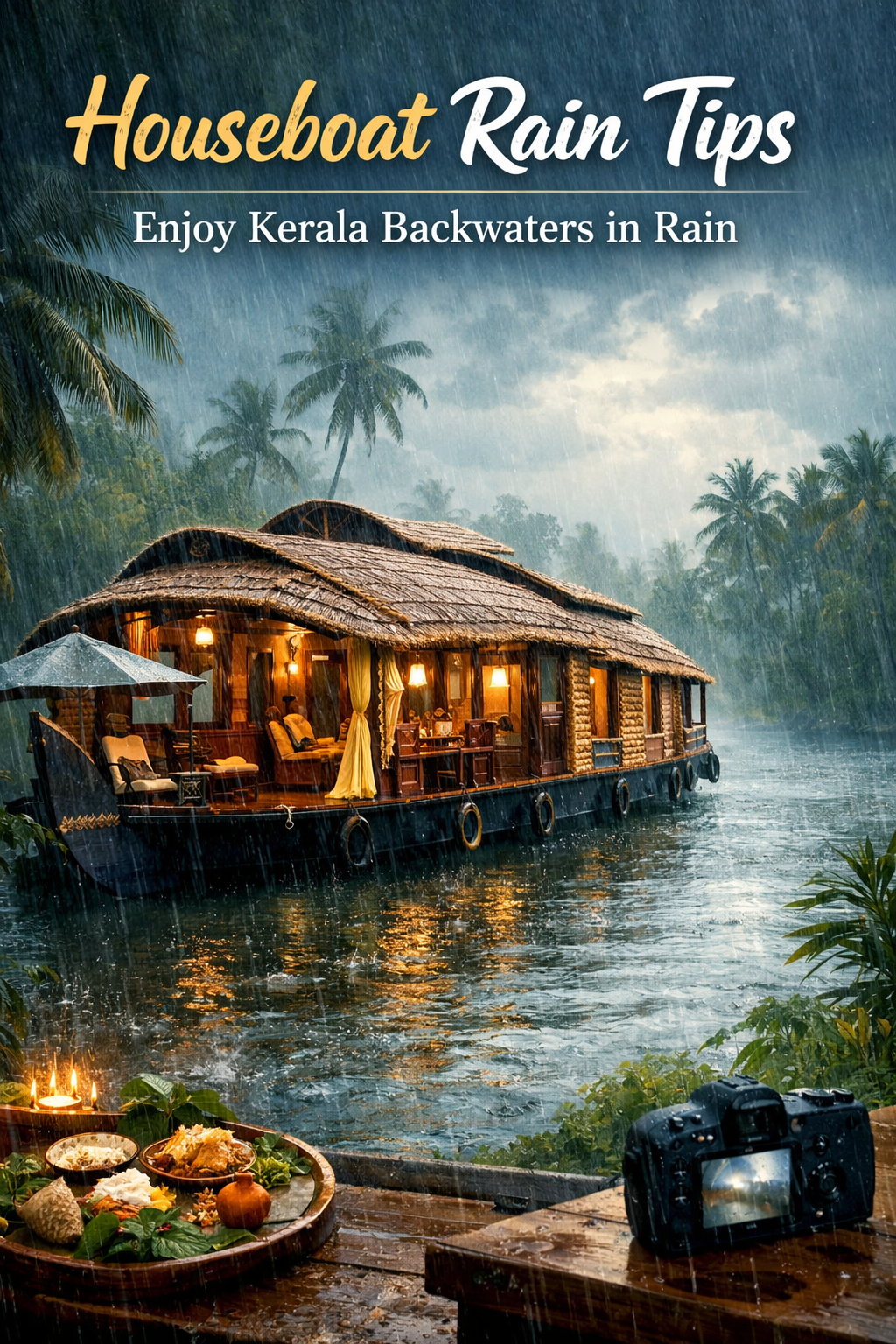
- Local Accommodations: Stay in houseboats or eco-resorts to combine comfort with authentic backwater life.
By respecting local customs and following responsible tourism guidelines, visitors can create meaningful memories while supporting the livelihood of these communities.
Conclusion: Connecting with Kerala’s Cultural Soul
FISHING TRADITIONS OF KERALA are more than just a livelihood—they represent the spirit, resilience, and harmony of the people with their environment. From the rhythmic movements of fishermen operating Chinese nets to the vibrant festivals that bring villages together, the backwaters offer a unique glimpse into Kerala’s cultural and ecological richness. For both domestic and international tourists, exploring these traditions is an opportunity to witness a living heritage, indulge in culinary delights, and experience the serene beauty of Kerala Backwaters Tourism in its most authentic form.