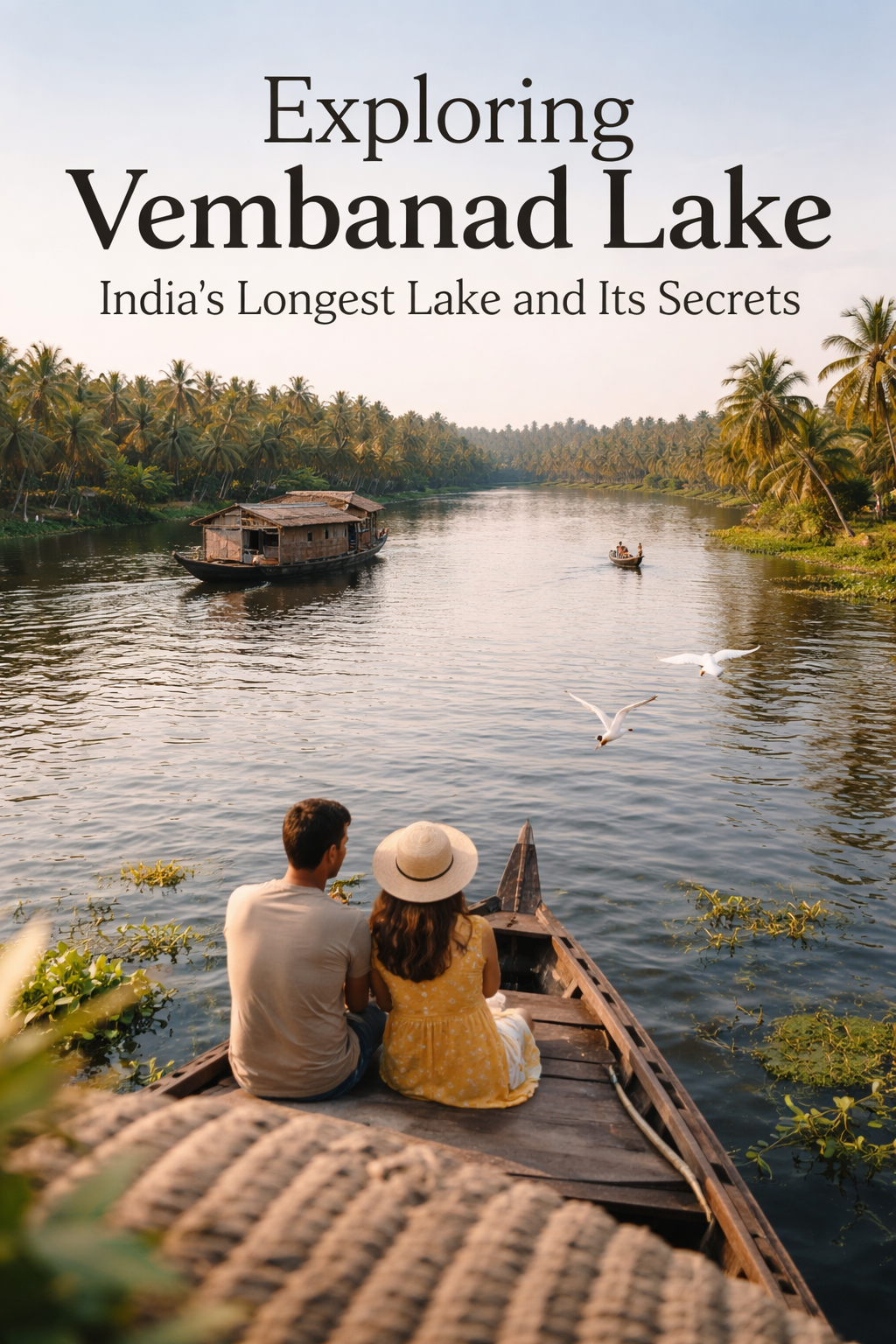
Exploring Vembanad Lake is one of the most enriching travel experiences in India. Stretching across the districts of Alappuzha, Kottayam, and Ernakulam in Kerala, Vembanad Lake is officially the longest lake in India and the heart of Kerala’s iconic backwater tourism.
For Indian travelers, it offers a peaceful escape from city life. For international visitors, it presents a rare glimpse into a unique ecosystem where water, culture, and tradition blend seamlessly. This blog provides a structured, SEO-optimized guide to help you understand the lake’s geography, culture, biodiversity, and tourism experiences.
Why Exploring Vembanad Lake Is Unique
Exploring Vembanad Lake reveals more than just scenic beauty. The lake is part of the larger Kerala backwater system and is recognized as a Ramsar Wetland of International Importance. It supports biodiversity, agriculture, fishing communities, and tourism.
Key highlights include:
- Expansive Vembanad Lake backwaters
- Authentic Alleppey houseboat cruise experiences
- Rich birdlife at Kumarakom bird sanctuary
- Traditional boat races and local village culture
- Kuttanad’s below-sea-level farming system
Unlike many global lakes, Vembanad combines ecology with living traditions, making it culturally immersive rather than just visually appealing.
Geography and Cultural Significance
Alleppey (Alappuzha) and Kumarakom are the two primary tourism hubs surrounding the lake. These towns serve as gateways for travelers exploring the waterways.
The lake stretches over 96 kilometers and plays a crucial role in:
- Irrigation and agriculture
- Inland fishing
- Transportation
- Eco-tourism
The region of Kuttanad, often called the “Rice Bowl of Kerala,” is famous for farming below sea level — a rare agricultural practice globally.
Vembanad Lake Backwaters: The Soul of Kerala Tourism
The Vembanad Lake backwaters form an interconnected network of canals, lagoons, and lakes. These waterways are lined with coconut palms, traditional homes, and paddy fields.
For domestic travelers, it’s a refreshing weekend getaway. For international tourists, it’s often described as the “Venice of the East” experience.
Activities include:
- Canoe village tours
- Kayaking through narrow canals
- Sunset photography
- Cultural performances
The calm waters and slow pace of life define the charm of the Vembanad Lake backwaters.
Alleppey Houseboat Cruise: A Floating Luxury Experience
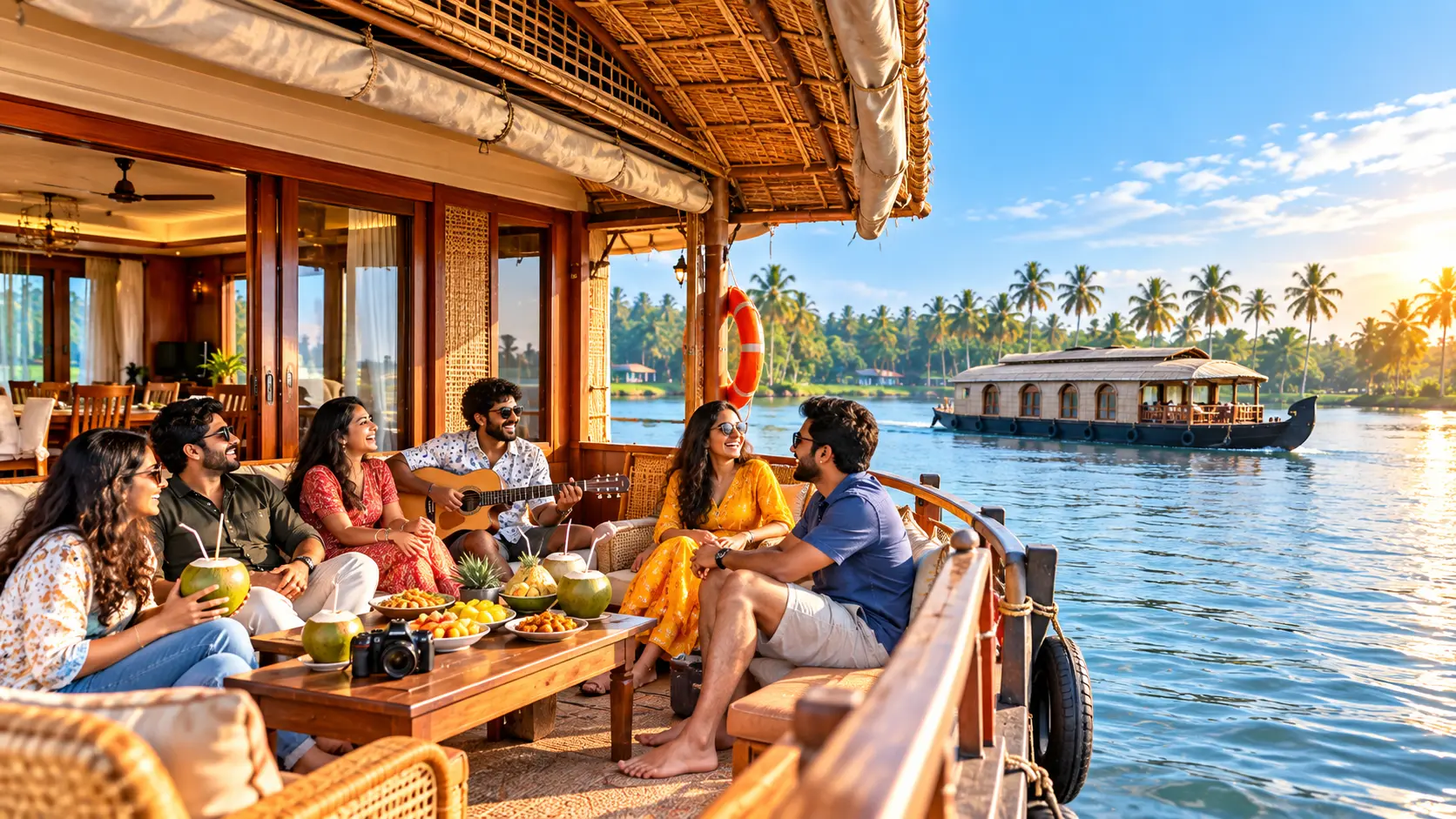
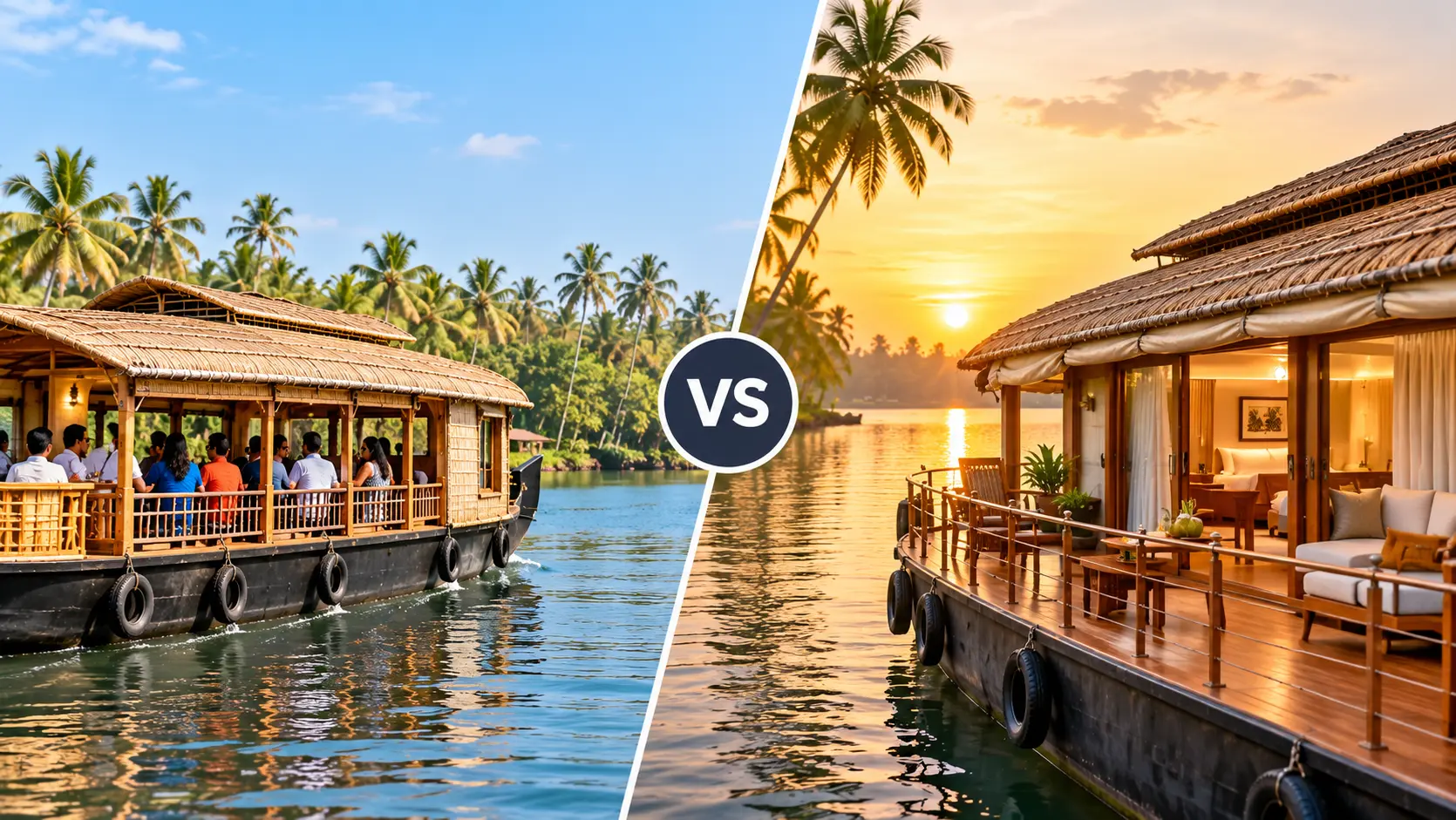
One of the most popular ways of Exploring Vembanad Lake is through an Alleppey houseboat cruise. These houseboats, locally known as “Kettuvallams,” were originally used for transporting rice and spices.
Today, they are transformed into floating hotels offering:
- Air-conditioned bedrooms
- Private decks
- Fresh Kerala cuisine
- Personalized service
An overnight Alleppey houseboat cruise allows travelers to witness:
- Golden sunsets over the lake
- Early morning fishing activities
- Authentic village life
This experience is highly recommended for honeymooners, families, and international visitors seeking cultural immersion.
Kumarakom Bird Sanctuary: A Paradise for Nature Lovers
Kumarakom Bird Sanctuary is located along the banks of Vembanad Lake. It is one of India’s most serene bird habitats.
The Kumarakom bird sanctuary is home to:
- Siberian migratory birds
- Kingfishers
- Egrets
- Herons
The best time to visit the Kumarakom bird sanctuary is between November and February, when migratory birds arrive. Birdwatchers and photographers consider it one of South India’s hidden gems.
Biodiversity and Ecological Importance
Exploring Vembanad Lake also means understanding its ecological value. The lake supports:
- Mangrove ecosystems
- Marine and freshwater fish species
- Migratory bird populations
- Wetland biodiversity
As a Ramsar site, conservation efforts are ongoing to balance tourism and environmental sustainability.
Responsible tourism practices include:
- Avoiding plastic waste
- Supporting local businesses
- Choosing eco-certified houseboats
Sustainable travel helps preserve the Vembanad Lake backwaters for future generations.
Best Time for Exploring Vembanad Lake
For both domestic and international tourists:
- October to March – Ideal weather and peak season
- April to May – Warmer but less crowded
- June to September – Monsoon season, lush landscapes, fewer tourists
Winter months are best for combining an Alleppey houseboat cruise with a visit to the Kumarakom bird sanctuary.
Travel Tips for International Visitors
- Nearest airport: Cochin International Airport (COK)
- Currency: Indian Rupee (INR)
- Language: Malayalam (English widely spoken in tourist areas)
- Recommended stay: 2–3 days
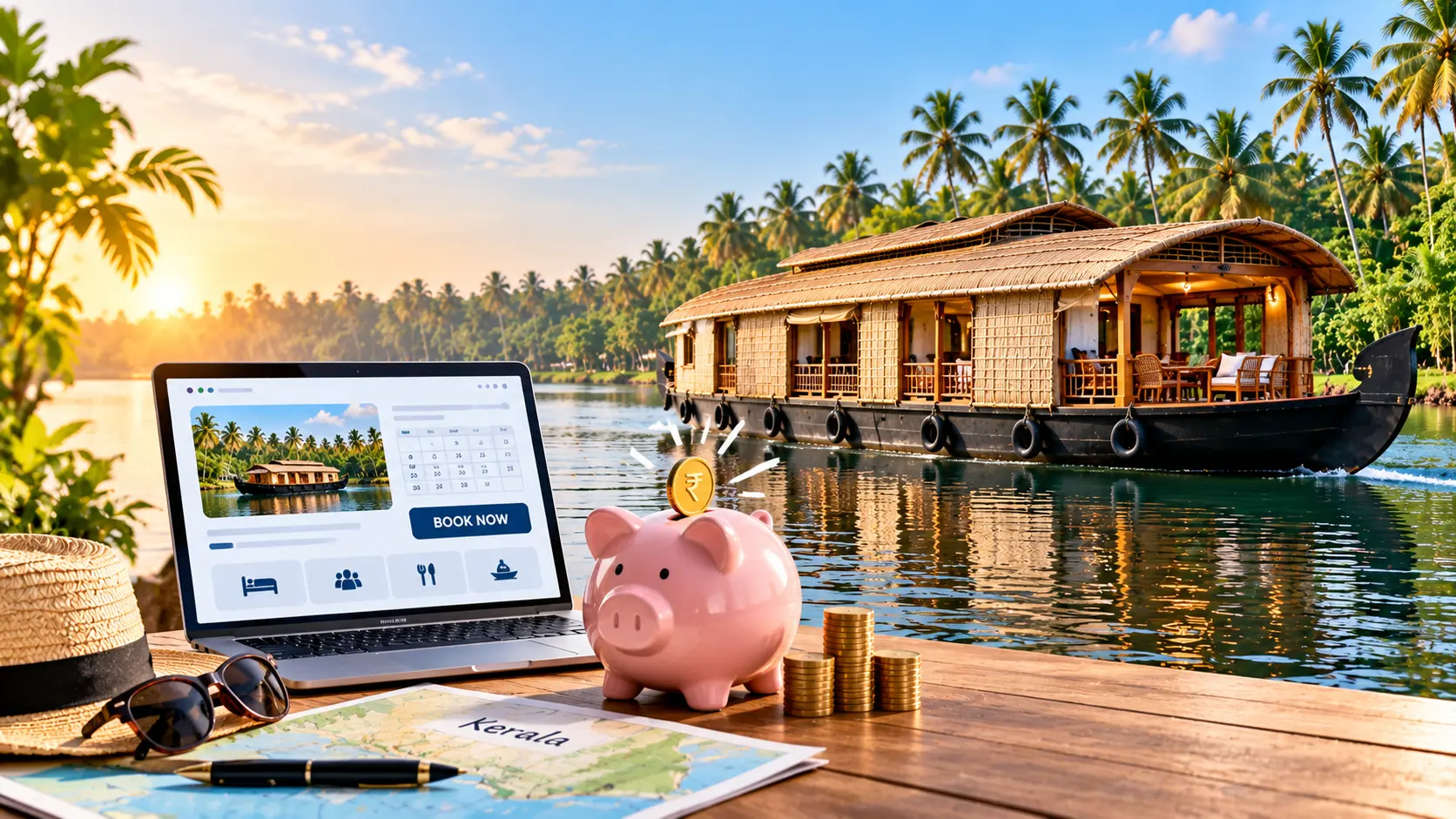
Booking a certified Alleppey houseboat cruise in advance ensures safety and comfort.
Travel Tips for Indian Tourists
- Weekend bookings fill quickly during holidays
- Choose government-approved operators
- Combine Vembanad with Munnar or Thekkady for a complete Kerala itinerary
Short trips focusing on the Vembanad Lake backwaters provide relaxation without extensive planning.
Cultural Experiences Around the Lake
While Exploring Vembanad Lake, visitors may also experience:
- Snake boat races (especially during Onam)
- Kathakali dance performances
- Toddy tapping traditions
- Village temple festivals
These experiences enrich the journey beyond sightseeing.
Conclusion: Why Exploring Vembanad Lake Is a Must-Visit Experience
Exploring Vembanad Lake offers a rare blend of nature, culture, biodiversity, and relaxation. Whether you are a domestic traveler seeking peace or an international tourist searching for authentic Indian experiences, this destination delivers more than scenic beauty.
From the tranquil Vembanad Lake backwaters to the luxurious Alleppey houseboat cruise and the serene Kumarakom bird sanctuary, every element contributes to a memorable journey.
A visit here is not just a trip — it is an immersion into Kerala’s timeless rhythm of life.